August 17, 2026
Brake problems rarely improve when they are ignored. What begins as a squeaking sound, soft pedal, vibration, or unusual stopping distance can eventually affect other components of your vehicle. Brakes are designed to work together as a system, so one worn part can place additional stress on surrounding components. Delaying service may also make a relatively simple repair more complicated and expensive. According to Gitnux, brake repairs are among the most common automotive services, representing approximately 12% of all auto repair work. This frequency shows how important brake maintenance is for vehicle owners. Paying attention to early warning signs can help prevent avoidable damage and keep your vehicle performing properly. Understanding why brake problems can escalate makes it easier to recognize when professional attention is needed.
1. Prevent Excessive Brake Pad Wear
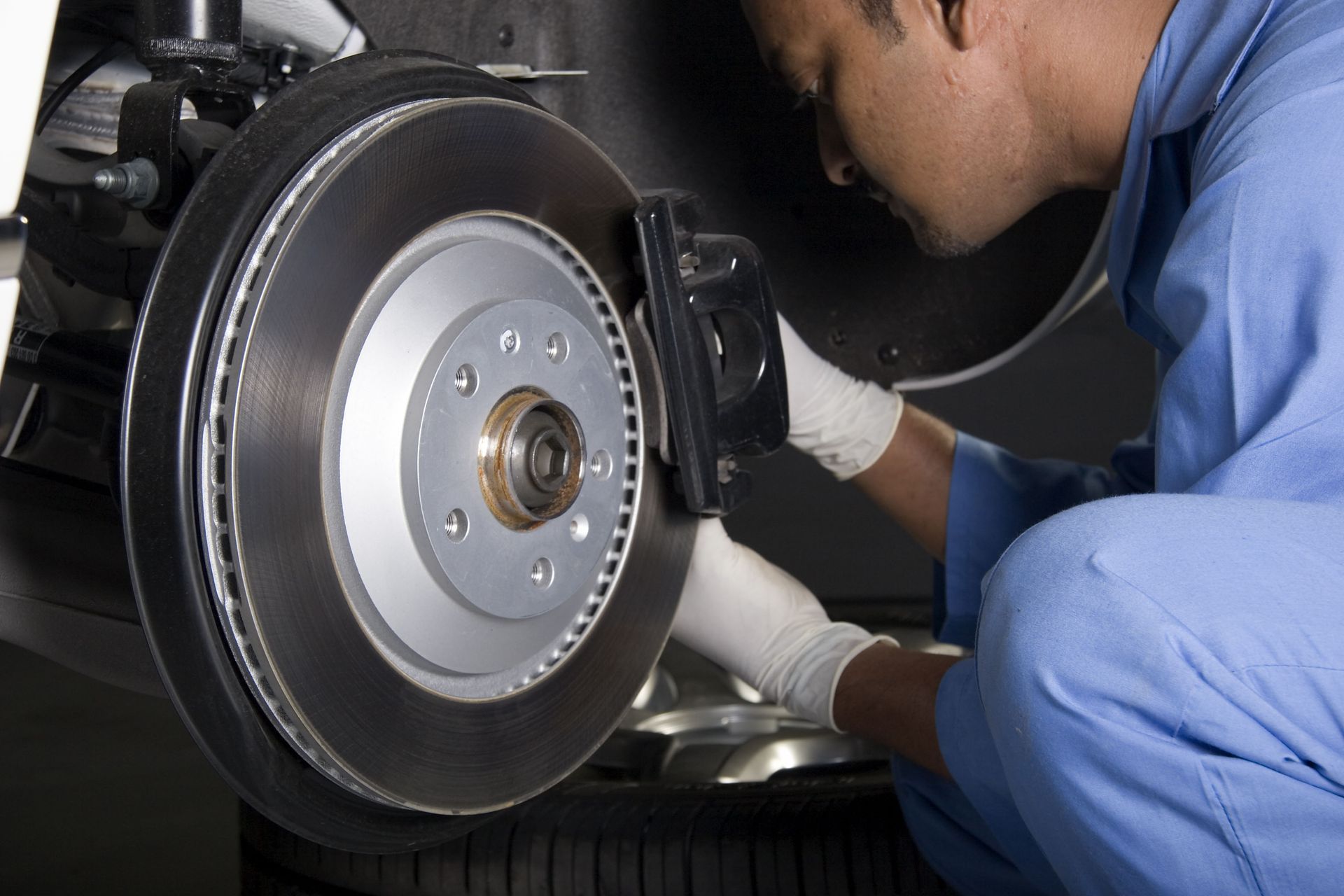
Brake pads are designed to create friction against the rotors and slow the vehicle when you press the pedal. Over time, normal use gradually wears down the friction material on the pads. Ignoring worn pads can allow the backing material to contact the rotor, potentially creating additional damage. Once this happens, a repair that may have involved only replacing pads can become a more involved service. Drivers may also notice squealing, grinding, or reduced braking performance as the material becomes thinner. Continuing to drive with these symptoms can place unnecessary stress on other braking components. Scheduling auto repairs when the first warning signs appear can help prevent a small maintenance issue from becoming a larger mechanical problem. Replacing worn pads at the appropriate time can also help maintain consistent stopping performance.
2. Protect the Brake Rotors
Brake rotors provide the smooth surface against which the brake pads press during braking. When pads become severely worn, damaged material can create grooves, scoring, or excessive heat on the rotors. Rotors can also become warped or develop uneven surfaces when subjected to repeated overheating and stress. A damaged rotor may cause steering wheel or brake pedal vibrations when the vehicle slows down. If the problem is ignored, additional components may experience unnecessary strain during braking. Depending on the condition, a technician may recommend resurfacing or replacing affected rotors. Timely auto repairs can help prevent rotor damage from developing into a more expensive braking-system problem. Maintaining smooth rotor surfaces supports consistent contact between the pads and rotors.
3. Reduce Stress on Caliper Components
Brake calipers are responsible for pressing the brake pads against the rotors when braking occurs. A malfunctioning or sticking caliper can cause uneven pad wear and create additional friction against the rotor. Drivers may notice that the vehicle pulls to one side, produces unusual heat, or makes noises from a particular wheel. Continued operation with a faulty caliper can accelerate wear on multiple brake components. Excessive friction may also increase heat around the wheel assembly and affect braking performance. Addressing the issue early allows a technician to inspect the caliper before surrounding components are unnecessarily damaged. Professional auto repairs can restore proper movement and balance within the braking system. Keeping calipers functioning correctly helps ensure that braking force is distributed appropriately across the vehicle.
4. Avoid Brake Fluid Problems
Brake fluid plays an important role in transferring pressure from the brake pedal to the components that slow the vehicle. Low fluid levels, contamination, or leaks can interfere with the hydraulic operation of the braking system. A soft or spongy brake pedal may indicate that something is wrong with the system and should not be dismissed. Fluid leaks can also allow moisture or air to enter areas where consistent hydraulic pressure is needed. If the issue continues, braking performance may become increasingly unreliable. A professional technician can inspect fluid levels, lines, hoses, and related components to identify the source of the problem. Timely auto repairs can address leaks or hydraulic concerns before they create more serious braking difficulties. Regular inspections can also help identify fluid-related issues before they become obvious while driving.
5. Prevent Uneven Tire Wear
Brake problems can sometimes contribute to uneven wear across the tires. A sticking caliper, for example, may cause one wheel to experience more friction than the others. Uneven braking can affect how the vehicle handles and may place additional stress on tires and suspension components. Drivers may notice differences in tread wear or feel the vehicle pulling during braking. Continuing to operate the vehicle without investigating these symptoms can result in premature tire replacement. A technician can inspect the braking system along with the affected wheel and surrounding components. Addressing the underlying cause through professional auto repairs may help prevent additional wear elsewhere. Properly functioning brakes support more predictable vehicle handling and help distribute braking forces appropriately.
6. Limit Heat-Related Damage
Braking naturally generates heat, but excessive heat can become harmful when braking components are already worn or malfunctioning. Repeated overheating can affect pads, rotors, calipers, brake fluid, and other nearby components. Drivers who frequently travel through heavy traffic, tow loads, or navigate steep roads may place additional demands on their braking systems. A burning odor or noticeable reduction in braking performance can indicate that excessive heat has developed. Ignoring these warning signs may allow heat-related damage to progress. A professional inspection can determine whether components have been affected and whether repairs or replacements are necessary. Addressing heat-related concerns through timely auto repairs can help preserve the condition of the entire braking system. Proper maintenance can also help the vehicle handle normal braking demands more effectively.
7. Maintain Safe Stopping Performance
The primary purpose of a vehicle's braking system is to help the driver slow down and stop when necessary. Even minor brake problems can gradually affect stopping distance, pedal response, or braking consistency. A driver may adapt to these changes without realizing that the vehicle is no longer performing as it should. Longer stopping distances can become particularly concerning during sudden traffic changes or emergency situations. Ignoring a developing problem can therefore create both mechanical and driving-related risks. Professional inspection allows technicians to evaluate whether the system is operating within expected conditions. Completing necessary auto repairs can restore components that have become worn, damaged, or contaminated. Maintaining dependable stopping performance is one of the most important reasons to address brake concerns promptly.
8. Avoid More Expensive Repairs
One of the biggest disadvantages of delaying brake service is the possibility of turning a relatively manageable repair into a larger project. Worn pads can damage rotors, faulty calipers can accelerate component wear, and hydraulic problems can affect multiple parts of the braking system. Small issues can also become more difficult to diagnose after additional components begin showing symptoms. Waiting until the vehicle develops severe braking problems may leave the driver with fewer options and a larger repair bill. Regular inspections provide an opportunity to identify worn components before they cause secondary damage. The cost of timely auto repairs is often easier to manage than the expense associated with extensive component replacement. Preventive maintenance can also reduce the inconvenience of unexpected breakdowns or emergency service visits. Addressing brake problems when they first appear is therefore a practical way to protect both your vehicle and your budget.
Professional technicians can inspect the system and determine which components require service based on their actual condition. The Auto Pros can help drivers identify braking concerns and address problems before they develop into more extensive repairs. Our professional auto repairs can help keep your vehicle's braking system functioning properly while supporting dependable performance on the road. Regular inspections and timely maintenance can also give you a better understanding of your vehicle's condition. Contact us today to schedule a brake inspection and take proactive steps toward keeping your vehicle safe, reliable, and ready for the road.